
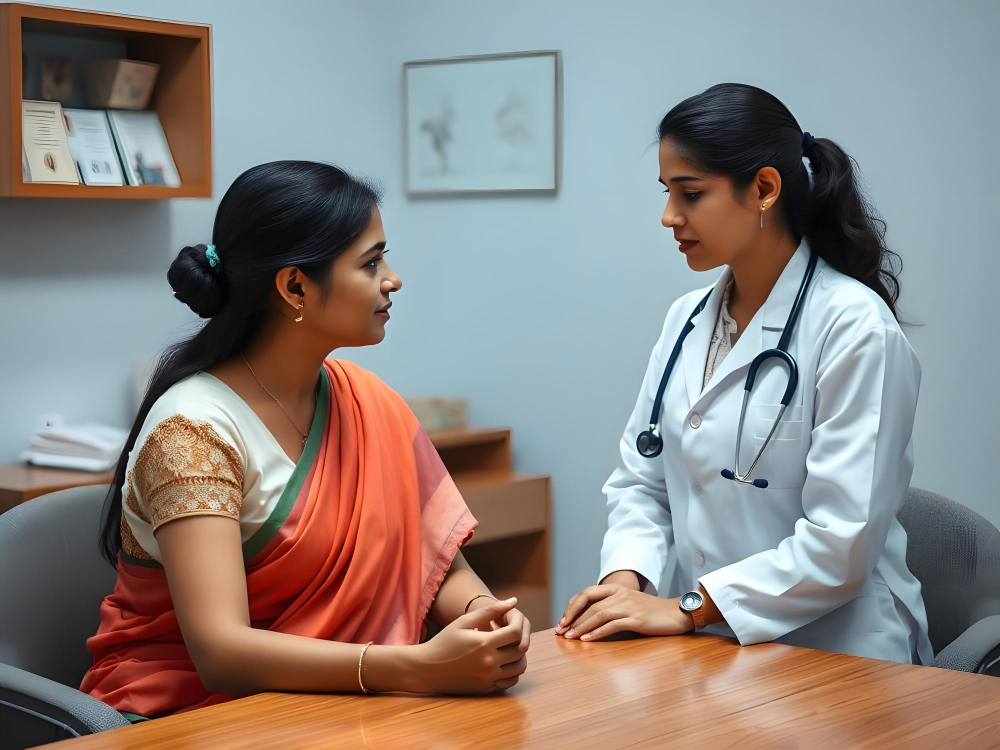
Fear of visiting a gynecologist is far more common than most people realize, and it deserves to be talked about openly and without shame. However, it is important to understand that any concerns about your health or anxiety around medical care are best discussed with a qualified healthcare professional who can offer personalized guidance. What follows is an informational, supportive exploration of why this fear happens and how people often learn to navigate it.
Understanding Why Gynecologist Visits Feel So Intimidating
For many women and people with vaginas, a gynecological appointment can trigger a mix of dread, embarrassment, and physical tension. Studies suggest that up to 64% experience significant anxiety before or during these visits. That number alone shows how normal these feelings are.
Several factors tend to contribute to this fear:
These fears don’t appear out of nowhere. They often stem from past trauma, cultural silence around reproductive health, or simply not knowing what to expect.
How Anxiety Shows up Before and During the Appointment
Anxiety around gynecological care can manifest in different ways. Some people feel a racing heart or sweaty palms days before the appointment. Others may cancel repeatedly, avoid scheduling altogether, or dissociate during the exam. Some feel embarrassed to ask questions or speak up when something hurts. Understanding these reactions is the first step toward managing them. They are not signs of weakness—they are signs of being human.
Practical Ways to Make Gynecologist Visits More Comfortable
While anxiety may not disappear overnight, there are several strategies that many people find helpful in making the experience more manageable and empowering.
Why These Visits Are Crucial—Even When They Are Unsettling
Avoiding gynecological care is understandable, but regular visits play a crucial role in long-term health. They allow for:
These appointments are not just about screening—they’re about understanding your body, asking questions, and getting support for your overall well-being.
Reframing the Experience: From Fear to Control
One of the most empowering shifts is recognizing that you are in control during a gynecological exam. You can:
Your comfort and consent are central—not optional.
When Fear Is Connected to Past Trauma
For some, anxiety around gynecological care is tied to sexual trauma, medical trauma, or negative past experiences. In these cases, trauma-informed care can be especially helpful. Many providers are trained to:
If trauma is part of your story, you’re not alone—and you deserve care that honors your experience. It is difficult, but telling the doctor about the trauma you have suffered in the past will make it easier to overcome the fear being experienced in the present.
Building a Healthier Relationship with Gynecological Care
Over time, many people find that the more they communicate their needs, the more manageable these visits become. A supportive provider can help transform the experience from something frightening into something empowering. Small steps—like scheduling a conversation-only visit, bringing a friend, or choosing a gentle provider—can create a foundation of trust that grows with each appointment.
Fear of the gynecologist is common, valid, and nothing to be ashamed of. With the right strategies and a compassionate provider, these visits can become less intimidating and more supportive of your long-term health. If your anxiety feels overwhelming or is connected to past trauma, a mental health professional can also help you navigate these feelings in a safe, personalized way.
A multispecialty hospital like New Medical Centre with a specialized obstetrics and gynaecology department is the right place to go to for diagnosis and treatment. Patients will have the comfort of knowing that they are in the hands of the best gynecologists with access to world-class diagnostic and treatment technology and equipment. In case there are other associated medical conditions, these can also be diagnosed and treated under the same roof, making the treatment and recovery more comfortable. The quality of medical care available at New Medical Centre will go a long way in helping patients overcome their fears.
PAP Smear test – How does it help in prevention of cervical cancer?
Frequently Asked Questions About Gynecological Exams and Anxiety
- Is it normal to feel nervous before a gynecological exam?
Yes, it is very common to feel nervous before a gynecological exam. Many women experience anxiety due to fear of discomfort, embarrassment, or uncertainty about the procedure. Talking openly with your doctor can help make the visit more comfortable.
- What happens during a gynecological examination?
A gynecological exam may include discussing your health history, checking the external and internal reproductive organs, and sometimes performing tests such as a Pap smear. The doctor will usually explain each step before performing the examination.
- How can I make my gynecologist appointment less stressful?
You can reduce stress by asking questions before the exam, bringing a trusted friend or family member, practicing deep breathing, listening to music, and informing your doctor if you feel anxious so they can proceed slowly and gently.
- Can I ask the doctor to stop the exam if I feel uncomfortable?
Yes. You have complete control during the examination and can ask the doctor to pause or stop at any time. Your comfort and consent are very important during any medical procedure.
- How often should someone visit a gynecologist?
Most healthcare providers recommend visiting a gynecologist once a year for routine check-ups. However, the frequency may vary depending on age, medical history, and specific health concerns.
- Are gynecological exams painful?
For most people, gynecological exams cause only mild discomfort rather than pain. Doctors often use smaller instruments, lubrication, and gentle techniques to ensure the exam is as comfortable as possible.