
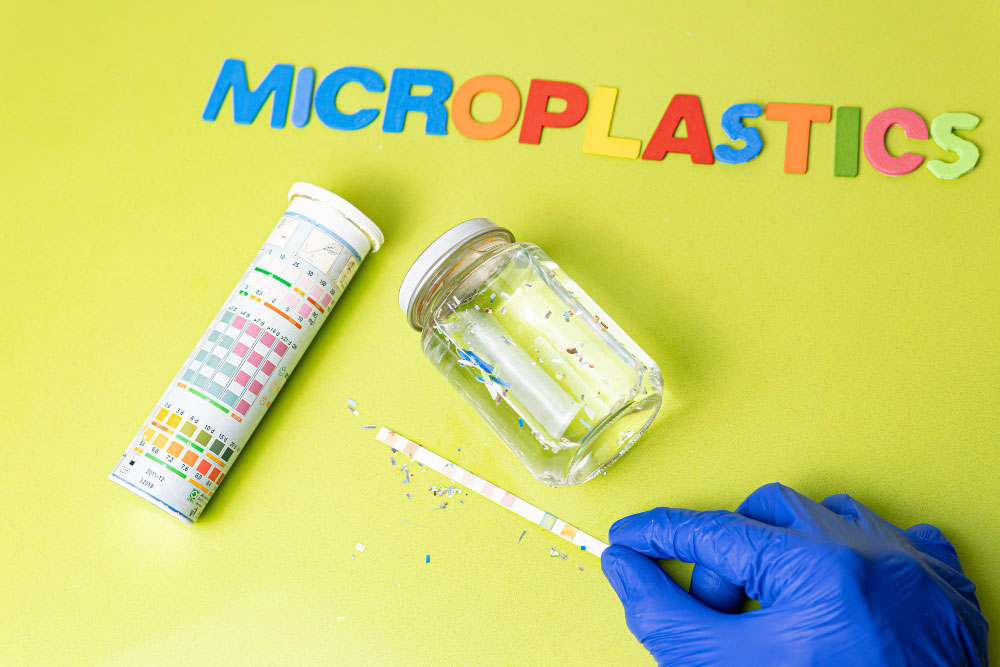
Microplastics are tiny plastic fragments less than 5 mm in size, which have emerged as one of the most prevalent forms of pollution on Earth, harming both environmental and human health. Microplastics are unavoidable as they are present in the deepest oceans, the highest mountains, the soil, the air we breathe, the food and beverages we consume, and the clothes we wear. In addition, they have permeated the human body, and their exposure has been linked to reproductive issues, heart attacks, and cancer.
The effects of microplastics on environmental destruction are well-documented, but their impact on human health is not. This article explores the journey of microplastics from the environment into the human body, the mechanisms through which they may cause harm, and the implications for public health.
What Are Microplastics?
Microplastics are classified into two types:
- Primary microplastics: They are intentionally manufactured small particles, such as microbeads, used in cosmetics.
- Secondary microplastics: They are formed by the physical, chemical, or biological processes that break down larger plastic materials.
These particles differ in composition, size, and chemical additives. Plastics contain many chemicals, including those known to be toxic (e.g., endocrine disruptors and carcinogens). Over time, plastics degrade further into nanoplastics, which are less than 1 micrometer in size and are more harmful as they can cross the biological barriers, such as the blood-brain barrier, placental barrier, and gastrointestinal barrier.
Sources of Microplastics
Microplastics are small plastic pieces due to the breakdown of larger plastic waste or intentional manufacturing, such as microbeads (common in cosmetics and personal care products such as toothpaste) or fibers shed from synthetic textiles (while washing clothes, inefficient plastic waste management, plastic pellets used in packaging industries, and tire abrasion and peeling of road paint. These particles are now found in virtually all parts of the environment: water bodies (rivers, lakes, and oceans); soil and agricultural land; air and dust particles; and food and drinking water. Microplastics do not biodegrade easily and persist in the environment for decades as they break into smaller and smaller pieces
Routes of Human Exposure
Humans may be exposed to microplastics through the following ways:
Ingestion
Microplastics have been detected in drinking water, seafood, beer, fruits, vegetables, and other foods that come into contact with plastic packaging or contaminated soil and water. They can carry dangerous substances, such as heavy metals and persistent organic pollutants (POPs), which are absorbed onto their surfaces and enter the body alongside the plastics themselves.
Inhalation
Microplastics are present in the air, and people can inhale tens of thousands of microplastic particles per day, particularly indoors, due to poor ventilation and synthetic fabrics. Some of these particles are so small that they can enter the lungs and even the bloodstream.
Skin Contact
Skin is not considered a significant exposure route; however, microplastics on contaminated soil, water, or cosmetics may come into contact with the skin, especially in occupational settings. Studies have detected microplastics in the tissues of the lungs, placenta, and gastrointestinal tract.
How Microplastics Can Affect Health
Microplastic exposure is also linked to DNA damage, inflammation, immune system changes, and metabolic disruption in cell cultures and animal models, but translating these findings to human health outcomes is a challenge.
Research into the long-term health effects of microplastics in humans is still evolving; however, experimental studies demonstrate that these tiny particles could compromise health. Microplastics have been found in blood, lungs, and placental tissue, highlighting how pervasive exposure has become, although it does not prove that they are the cause of the disease.
Inflammation and Oxidative Stress
Microplastic exposure has been associated with increased production of reactive oxygen species, harmful compounds that cause oxidative stress (imbalance between free radicals and antioxidants) and tissue inflammation. This process can damage cell DNA and disrupt normal cellular functions, potentially contributing to disease development.
Digestive System Disturbances
Microplastics, when ingested, can disrupt the gut lining, interfere with nutrient absorption, and alter the balance of the gut microbiota, the community of beneficial bacteria important for healthy digestion. Changes in the gut microbiome can influence immunity and metabolism.
Respiratory Issues
Inhaled microplastics can lodge deep in the lungs and trigger chronic inflammation, contributing to respiratory conditions such as asthma, chronic obstructive pulmonary disease (COPD), coughing, and shortness of breath.
Endocrine Disruption
Plastics often contain chemical additives, such as bisphenol A (BPA) and phthalates, which interfere with hormonal regulation. These endocrine disruptors can influence developmental, metabolic, and reproductive pathways, raising concerns about fertility issues and metabolic disorders.
Cardiovascular Effects
Microplastics contribute to oxidative stress and inflammation in vascular tissues, potentially contributing to early vascular ageing and heart disease.
Reproductive and Developmental Effects
Microplastics can impact reproductive health and fetal development, causing poor birth outcomes.
Broader Environmental Impacts That Affect Human Health
Microplastics not only directly affect us through exposure but also disrupt ecosystems that support human well-being.
Food Chain Contamination
Microplastics accumulate in aquatic food webs. Small organisms ingest them, and over time, they bioaccumulate in fish and seafood consumed by humans. Seafood represents a direct ingestion route in humans as it can contain multiple microplastic particles per gram.
Soil Health and Agriculture
Microplastics have been found in agricultural soils, affecting soil structure and fertility, thereby influencing crop growth and nutrient content.
Airborne Particles
Tiny plastics can become airborne and travel long distances, entering ecosystems far from their source and increasing the risk of exposure through inhalation.
Challenges and Gaps in the Science
Although substantial evidence of environmental prevalence and biological effects in experimental settings, it is unclear how much microplastic exposure leads to adverse health outcomes. The long-term impact of microplastics and the link between microplastic exposure and disease conditions in humans has not been determined. However, microplastics are omnipresent, and their potential to disrupt biological systems poses a threat to human health.
Public Awareness and Policy Action
There is significant public concern about microplastics and their impact on health and the environment. Efforts to address microplastic pollution include a ban on the use of microbeads in cosmetics, regulations on washing machine filters to catch fibers from synthetic clothes, and broader global efforts to reduce plastic waste and its fragmentation.
What Can Individuals Do?
Reducing exposure to microplastics may help lower potential health risks. Practical steps include minimizing the use of single-use plastics, choosing natural fiber clothing over synthetic materials, filtering drinking water where possible, avoiding microwaving food in plastic containers, and supporting policies that reduce plastic pollution.
Conclusion
Microplastics are an invisible yet persistent threat, both to the natural environment and human health. While gaps remain in our understanding, mounting evidence suggests these tiny particles can enter our bodies, trigger biological responses such as inflammation and oxidative stress, and serve as carriers for toxic chemicals. The full scale of their health impact is still being uncovered, yet the global reach of microplastic pollution underscores the urgency of taking both individual and collective action.
Microplastics: FAQs on Health Risks and Exposure
- What are microplastics?
Microplastics are tiny plastic particles less than 5 mm in size. They are either manufactured small (primary microplastics) or formed when larger plastics break down (secondary microplastics).
- How do microplastics enter the human body?
Microplastics enter the body mainly through ingestion (food and water), inhalation (airborne particles), and to a lesser extent, skin contact.
- Are microplastics harmful to human health?
Research suggests microplastics may cause inflammation, oxidative stress, hormonal disruption, and potential damage to organs, but long-term human effects are still being studied.
- Can microplastics cause serious diseases?
Microplastics have been linked in studies to risks like heart disease, reproductive issues, and cancer, but direct cause-and-effect in humans is not yet fully proven.
- Where are microplastics commonly found?
They are found in drinking water, seafood, air, soil, packaged foods, and even household dust and clothing fibers.
- What are nanoplastics and why are they dangerous?
Nanoplastics are even smaller particles (less than 1 micrometer) that can cross biological barriers like the brain and placenta, making them potentially more harmful.
- How do microplastics affect the digestive system?
They can disrupt gut health by damaging the intestinal lining, affecting nutrient absorption, and altering the gut microbiome.