
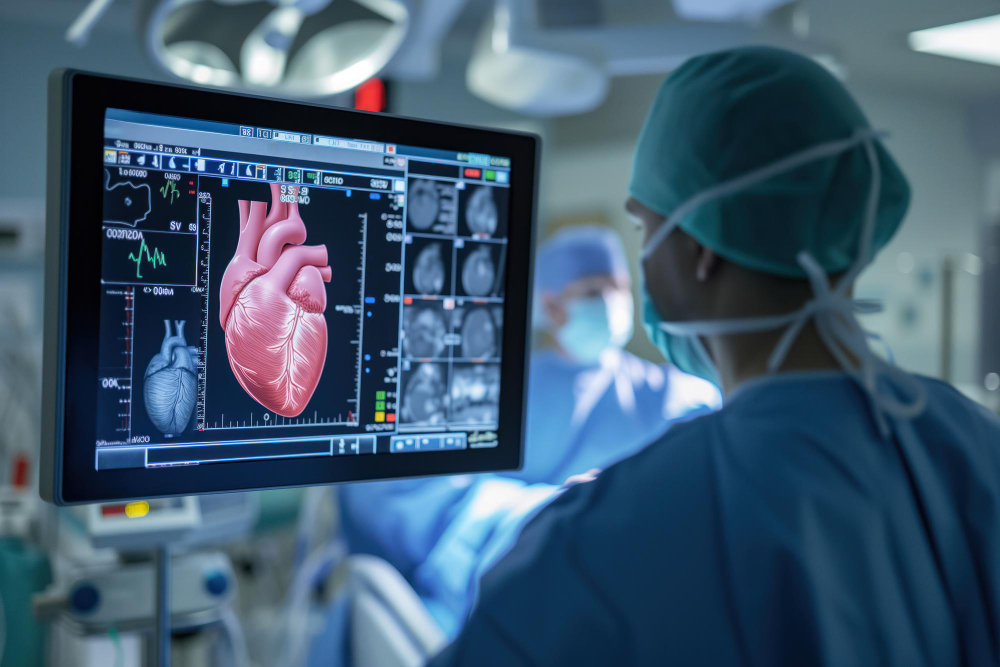
While much has been written about the benefits of minimally-invasive surgery, it must be kept in mind that it cannot be applied to all conditions. This is especially true of cardiac surgery. While advances in medical science have resulted in more refined procedures, the surgical method to be used is based on the condition and how safe it is for the patient. While minimally-invasive surgery does offer many advantages to the patient, it is not a universal solution to all heart ailments that require surgery. Here is what patients and caregivers need to know.
The Options
Heart disease remains one of the world’s leading health challenges, and advances in
cardiac care have given patients more treatment options than ever before. Two major approaches dominate modern cardiac treatment: traditional open‑heart surgery and minimally-invasive heart procedures. While both aim to repair or improve heart function, they differ dramatically in technique, recovery, risks, and long‑term outcomes.
For patients and families, understanding these differences is essential. This guide breaks down how each method works, when they’re used, and what patients can expect on the road to recovery.
What Is Open‑Heart Surgery?
Open‑heart surgery is the classic, time‑tested method for treating complex heart problems. In this procedure, surgeons make a large incision down the chest, open the breastbone, and access the heart directly. Most open‑heart surgeries use a heart‑lung bypass machine, which temporarily takes over the heart’s pumping function so that surgeons can operate on a still, blood‑free field.
Open‑heart surgery is typically used for:
Because surgeons have full visibility and access to the heart, open surgery remains the gold standard for complex, multi‑step, or high‑risk cardiac conditions.
What Are Minimally-Invasive Heart Procedures?
Minimally-invasive cardiac procedures use small incisions, specialized instruments, and advanced imaging to repair the heart without opening the chest fully. These techniques avoid cutting the breastbone and often do not require the heart‑lung machine.
Common minimally-invasive procedures include:
These techniques rely on catheters, robotic systems, or small thoracic ports, making them far less traumatic to the body.
Key Differences Between Open‑Heart and Minimally-Invasive Surgery
Surgical Approach
Open‑Heart Surgery:
Minimally Invasive Procedures:
The smaller incisions and reduced trauma make minimally-invasive procedures appealing, but they are not suitable for every patient.
Recovery Time
Open‑Heart Surgery:
Minimally-Invasive Procedures:
Because the breastbone must heal after open surgery, recovery is naturally longer and more physically demanding.
Pain and Scarring
Open‑Heart Surgery:
Minimally-Invasive Procedures:
For many patients, especially younger individuals or those concerned about cosmetic outcomes, this difference is significant.
Risks and Complications
Both approaches carry risks, but the nature of those risks differs.
Open‑Heart Surgery Risks:
Minimally-Invasive Procedure Risks:
The patient’s age, overall health, and specific heart condition determine which risks are more relevant.
Who Is a Candidate?
Open‑heart surgery is preferred when:
Minimally-invasive procedures are ideal when:
Cardiologists and cardiac surgeons work together to evaluate imaging, test results, and patient goals before recommending the best approach.
Benefits of Minimally-Invasive Procedures
Minimally-invasive cardiac surgery has grown rapidly because of its clear advantages:
For many patients, especially older adults or those with multiple medical conditions, these benefits can be life‑changing.
Why Open‑Heart Surgery Is Still Essential
Despite the rise of minimally-invasive techniques, open‑heart surgery remains irreplaceable for many conditions. It offers:
In many cases, open surgery provides the most reliable, comprehensive, and long‑term fix.
How Patients Can Make the Right Choice
Choosing between open‑heart surgery and minimally-invasive procedures is not a decision to be made without due consideration. Patients should take into account:
A thorough discussion with a cardiologist and a cardiac surgeon will ensure that patients understand all options and choose the safest, most effective treatment. Cardiac patients and their families need to understand the surgical options available to them, and the guidance of surgeons is vital in ensuring that the right procedure is used to treat the condition. That is why undergoing treatment and/or surgery at a leading multispecialty hospital with a world-class cardiology department is so important. Not only will this ensure that the patient receives the best treatment and care, but in case other health concerns affect the health of the heart, these can also be diagnosed and treated at the same place, making life easier for both patients and caregivers.
Open‑heart surgery and minimally-invasive procedures both play vital roles in modern cardiac care. Open surgery remains the cornerstone for complex and multi‑step repairs, while minimally-invasive techniques offer faster recovery and less trauma for suitable patients. The best approach depends on the individual’s condition, anatomy, and long‑term health goals. As technology continues to advance, the line between these two approaches will keep evolving—but the shared goal at New Medical Centre remains the same: to restore heart function, improve quality of life, and help patients live longer, healthier lives.
Open-Heart Surgery vs. Minimally-Invasive Cardiac Procedures: FAQs
What is the main difference between open-heart surgery and minimally-invasive heart surgery?
The primary difference is the surgical approach. Open-heart surgery requires a larger chest incision and opening of the breastbone to access the heart directly. Minimally-invasive heart surgery uses smaller incisions, specialized instruments, or catheter-based techniques to treat heart conditions with less trauma to the body.
Is minimally-invasive heart surgery safer than open-heart surgery?
Not necessarily. Both procedures are safe when performed for the right patient and condition. Minimally-invasive procedures often result in less pain, shorter hospital stays, and faster recovery, while open-heart surgery may provide better outcomes for complex cardiac conditions that require extensive repair.
How long does recovery take after open-heart surgery?
Most patients stay in the hospital for 5–7 days after open-heart surgery. Complete recovery generally takes 8–12 weeks, depending on the patient’s overall health, the type of surgery performed, and adherence to rehabilitation recommendations.
How quickly can patients recover from minimally-invasive heart procedures?
Recovery is usually much faster than with traditional open-heart surgery. Many patients leave the hospital within 2–4 days and can return to normal daily activities within 2–4 weeks, depending on the procedure and individual health factors.
Who is a suitable candidate for minimally-invasive cardiac procedures?
Patients with isolated valve disease, certain coronary artery conditions, or those considered high-risk for open-heart surgery may be good candidates for minimally-invasive procedures. Eligibility depends on the patient’s anatomy, medical history, and the specific heart condition being treated.
Why is open-heart surgery still performed when minimally-invasive options are available?
Open-heart surgery remains the preferred treatment for many complex heart conditions, including multiple blocked coronary arteries, complex valve disease, congenital heart defects, and procedures requiring multiple repairs during a single operation. It provides surgeons with direct access to the heart and often offers more durable long-term results.
What are the advantages of minimally-invasive heart surgery?
Benefits may include smaller incisions, less blood loss, reduced postoperative pain, lower infection risk, shorter hospital stays, faster recovery, and improved cosmetic outcomes. However, these benefits must be weighed against the patient’s specific medical needs.