
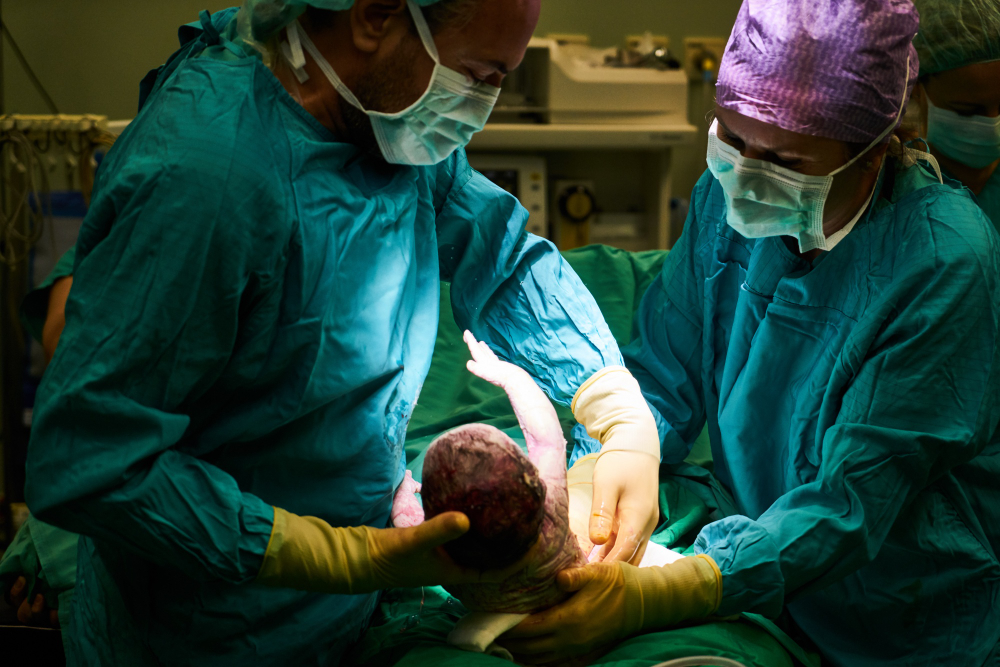
Bringing a new life into the world is one of the most transformative experiences a person can go through. While many expectant parents envision a traditional vaginal delivery, birth journeys often take unexpected turns. One of the most common and life-saving alternative paths is a Cesarean delivery, universally known as a C-section. Whether you are planning a C-section, preparing for the possibility of one, or are simply curious about how the procedure works, understanding the ins and outs of this surgical delivery can demystify the process and alleviate anxiety.
Defining the C-Section
A Cesarean delivery is the surgical birth of a baby through incisions made in the mother’s abdomen and uterus. It is a major abdominal surgery, yet it is also one of the most frequently performed hospital procedures worldwide.
The term “Cesarean” is historically linked to ancient Roman law (Lex Caesarea), which mandated that if a pregnant woman died, the baby had to be cut from her womb in an attempt to save the child. Popular myth often attributes the name to Julius Caesar being born this way, though historical evidence suggests his mother survived his birth, making it unlikely that he was delivered by this procedure given the surgical limitations of that era. Today, C-sections account for a large proportion of births, making it a standard, highly-refined medical procedure.
Why Are C-Sections Performed?
Medical professionals categorize C-sections into two main groups: planned (elective or medically indicated) and unplanned (emergency). The overriding goal of any C-section is always the safety and health of both the mother and the baby.
Planned C-Sections
A doctor may schedule a C-section ahead of time if known health factors make a vaginal birth risky. Common reasons include:
Unplanned or Emergency C-Sections
Sometimes, the need for a C-section only becomes apparent after labor has already begun. The following situations require quick action:
The Procedure: What to Expect Step-by-Step
Understanding what happens inside the operating room (OR) can replace fear with a sense of control. If you have a planned C-section, the typical sequence of events unfolds systematically. Of course, the procedures and sequence may vary depending on the specifics of each case.
-
Preparation and Anesthesia
-
The Incisions
-
The Birth
-
Closing Up
Risks and Considerations
While modern medicine has made C-sections incredibly safe, it is crucial to remember that it is still a major surgery. Like all surgeries, it carries potential risks that patients should weigh with their doctors:
The Road to Recovery
Recovering from a C-section requires patience, as your body is simultaneously healing from major surgery and adapting to postpartum life.
A C-section is a monumental, life-giving event. Whether it is a carefully-coordinated choice or an eleventh-hour pivot during labor, a Cesarean delivery is not a shortcut, nor is it a failure to experience birth “naturally”. It is a remarkable combination of compassionate care and medical expertise, designed to bring a baby into the world as safely as possible. By understanding what the procedure entails, parents can approach birth feeling informed, empowered, and ready to welcome their new arrival.
When the procedure is performed at a leading multispecialty hospital with a world-class OB/GYN department, staffed by the best specialists, both mother and child are assured of the safest and most comfortable journey through this life-altering and miraculous event.
Frequently Asked Questions About Cesarean Delivery (C-Section)
- What is a C-section?
A C-section (Cesarean delivery) is a surgical procedure used to deliver a baby through incisions made in the mother’s abdomen and uterus. It is performed when a vaginal birth may not be the safest option for the mother or baby.
- Why might a doctor recommend a C-section?
A doctor may recommend a C-section due to conditions such as breech presentation, placenta previa, a large baby, multiple pregnancies, certain maternal health conditions, a previous C-section, or emergencies that develop during labor.
- Is a C-section planned or can it happen unexpectedly?
A C-section can be planned before labor if there are known medical reasons, or it may be performed as an emergency if complications arise during labor that make vaginal delivery unsafe.
- How long does a C-section take?
A typical C-section takes around 45 to 60 minutes. The baby is usually delivered within the first 10 to 15 minutes, while the remaining time is spent closing the surgical incisions.
- Will I be awake during a C-section?
Yes. Most C-sections are performed using spinal or epidural anesthesia, allowing the mother to remain awake without feeling pain. General anesthesia is usually reserved for emergency situations.
- Is a C-section painful?
You should not feel pain during the surgery because of anesthesia, although you may experience pressure or pulling sensations. Some discomfort and soreness are expected during recovery.
- What are the risks associated with a C-section?
Like any major surgery, a C-section carries risks such as infection, increased blood loss, blood clots, reactions to anesthesia, and a slightly higher risk of complications in future pregnancies.