
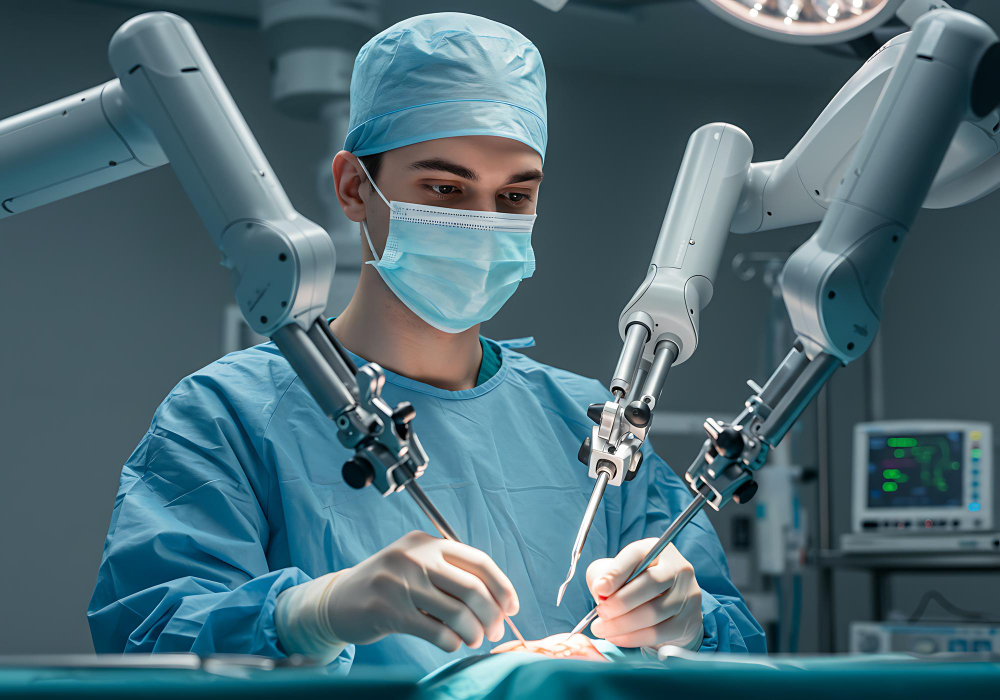
The surgical theater has undergone a radical transformation over the last few decades. We have moved from the era of large, open incisions to the micro-world of laparoscopy, and now, into the age of digital medicine. At the forefront of this evolution sits robotic-assisted surgery: a technology that sounds like science fiction but has firmly established itself as a staple in modern hospitals.
When people hear “robotic surgery”, they often picture a humanoid machine autonomously making incisions. In reality, the robot is an extension of the surgeon. The medical professional sits at a master console a few feet away from the patient, viewing a high-definition 3D image while manipulating specialized controllers. These controllers translate the surgeon’s hand movements into precise, micro-movements of robotic arms inside the patient.
Like any major technological leap, robotic surgery is a polarizing topic in healthcare. It offers unprecedented precision, but it also introduces complex economic and systemic challenges. To understand where surgery is heading, we must closely examine both sides of the coin.
The Pros: Elevating Precision and Patient Outcomes
The rapid adoption of systems like the DaVinci surgical platform isn’t due to the novelty of the technology; it is because it delivers tangible benefits to both the medical team and the patient.
The Cons: Cost, Complexity, and the Digital Divide
Despite the clear clinical advantages, robotic surgery is not a silver bullet. The technology introduces significant hurdles that prevent it from completely replacing traditional methods.
A Balanced Integration Is Ideal
Robotic surgery is neither a flawless miracle nor an unnecessary gimmick. It is a highly-specialized tool that shines brilliantly in specific contexts, such as complex urological, gynecological, and cardiothoracic procedures, where precision in tight spaces is paramount. However, for simpler surgeries where standard laparoscopy yields identical patient outcomes, the massive cost of a robot is difficult to justify.
As the technology matures, we can expect competition to drive down the cost of these systems, and the integration of artificial intelligence will likely bring haptic feedback and smarter safety guardrails at the console. For now, the success of robotic surgery remains deeply tied to the human element: the skill, judgment, and training of the surgeon sitting at the controls.
Whatever the ailment, it is decisions made by highly-qualified and trained medical specialists that will determine the best course of treatment or surgery. For this reason, a multispecialty hospital like New Medical Centre in Puducherry is the best destination. Not only are the best doctors and surgeons in the country available here, but the diagnostic and treatment/surgical facilities are world-class and incorporate the latest technological advancements. Since medical issues often have more than one cause or may affect other parts of the body, the many medical specialties and specialists available here offer patients a comprehensive treatment or surgical plan to ensure the best possible outcome.
Frequently Asked Questions About Robotic Surgery
- What is robotic surgery?
Robotic surgery is a minimally invasive surgical technique in which a surgeon controls robotic instruments from a computerized console. The robotic system enhances precision, flexibility, and visualization but does not operate independently.
- Does a robot perform the surgery on its own?
No. Robotic surgery is completely controlled by a trained surgeon. The robotic system translates the surgeon’s hand movements into precise movements of tiny surgical instruments.
- How is robotic surgery different from traditional surgery?
Unlike traditional open surgery, robotic surgery uses small incisions and robotic instruments for greater precision. It also provides surgeons with a magnified 3D view of the surgical area, which can improve accuracy during complex procedures.
- What are the benefits of robotic surgery?
Robotic surgery offers several benefits, including smaller incisions, less blood loss, reduced pain, lower infection risk, shorter hospital stays, faster recovery, and improved surgical precision.
- What types of surgeries can be performed using robotic technology?
Robotic surgery is commonly used for urological, gynecological, colorectal, cardiothoracic, gastrointestinal, and certain cancer surgeries that require high precision.
- Is robotic surgery safer than traditional surgery?
Robotic surgery can provide excellent outcomes for selected procedures when performed by experienced surgeons. However, the safest surgical approach depends on the patient’s condition, the complexity of the procedure, and the surgeon’s expertise.
- Are there any risks associated with robotic surgery?
Yes. Like any surgical procedure, robotic surgery carries risks such as bleeding, infection, anesthesia-related complications, and the possibility of converting to open surgery if necessary. The surgeon’s experience also plays an important role in achieving successful outcomes.