
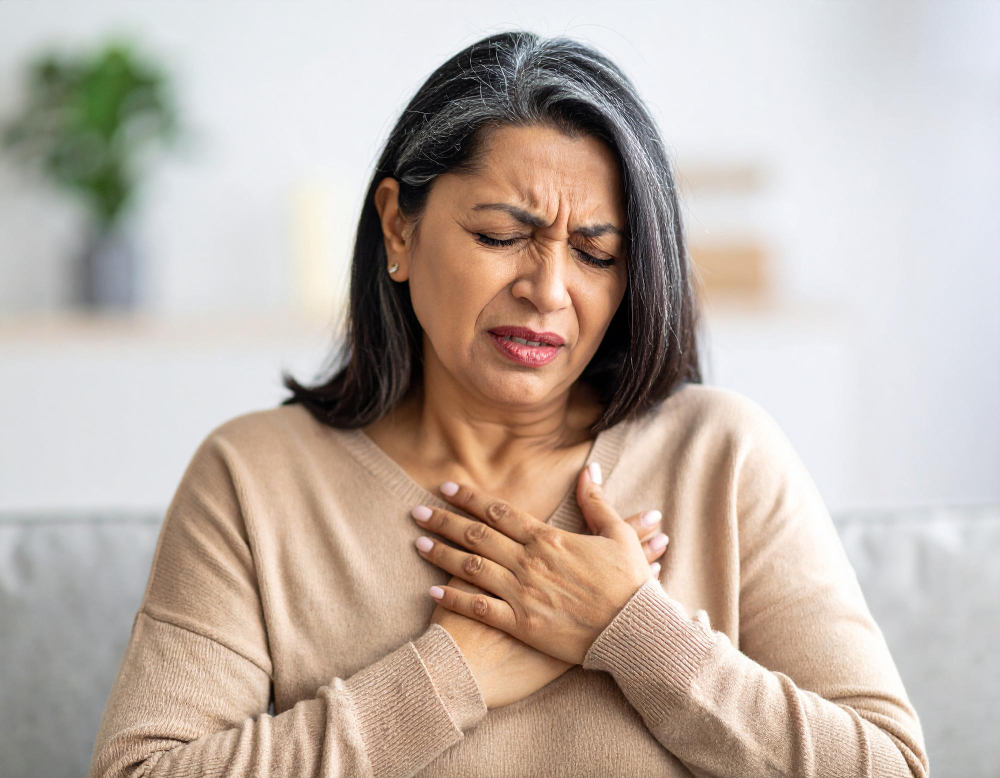
When you picture someone having a heart attack, what comes to mind?
If you imagined a middle-aged man clutching his left chest and collapsing, you’re not alone. For decades, movies, TV shows, and even medical textbooks have treated heart disease as a male problem.
So, why do so many people still think of it as a “man’s disease”? The answer lies in medical history, biological differences, and a long-standing pattern of missed warning signs.
How the Myth Was Born
To understand why this belief is so widespread, we have to look back at how modern medicine was studied for most of the 20th century.
When researchers ran clinical trials for heart medications and treatments, they tested them almost exclusively on men. Women of childbearing age were routinely left out of studies due to concerns about fluctuating hormones, potential pregnancies, or fetal risks.
Because of this:
A Woman’s Heart Works Differently
Men and women don’t always experience heart disease the same way. Standard medical tests were designed to spot male patterns, which means female heart conditions are often missed.
Moving Beyond “Crushing Chest Pain”
While chest discomfort can happen to anyone, women often experience a broader range of heart attack symptoms. Because these signs don’t fit the classic portrayal of a heart attack, women often delay going to the emergency room.
Key warning signs to watch for include:
Hidden Risk Factors Unique to Women
Standard risk factors like smoking, high blood pressure, diabetes, and high cholesterol hurt everyone. But several risk factors carry a heavier weight for women:
The Care Gap H3
The consequences of this gender myth go beyond missed diagnoses. Research shows that after a cardiac event:
How We Fix This
Overcoming this gap requires action at every level:
Heart disease is an equal-opportunity threat. Recognizing that it affects women just as severely as men isn’t just about fairness; it’s a critical step toward saving lives.
Frequently Asked Questions About Heart Disease in Women
- Is heart disease really more common in men than women?
No. Heart disease is a major health threat for both men and women and is the leading cause of death among women worldwide. The misconception that it is primarily a man’s disease can contribute to delayed recognition and treatment in women.
- What are the symptoms of a heart attack in women?
Women may experience chest pain or pressure, but symptoms can also include shortness of breath, unusual fatigue, nausea, vomiting, cold sweats, dizziness, and pain in the jaw, neck, back, or stomach.
- Can women have a heart attack without chest pain?
Yes. Some women can have a heart attack without the classic crushing chest pain. Shortness of breath, nausea, extreme fatigue, dizziness, or discomfort in the back, jaw, neck, or stomach may occur instead.
- Why are heart disease symptoms sometimes missed in women?
Heart disease can present differently in women, and symptoms such as fatigue, indigestion, nausea, or breathlessness may be mistaken for less serious conditions. Differences in coronary artery disease patterns can also make diagnosis more challenging.
- Are younger women at risk of heart disease?
Yes. Although the risk generally increases with age, younger women can develop serious heart conditions. Conditions such as spontaneous coronary artery dissection (SCAD) can occur in women who otherwise appear healthy and have few traditional cardiovascular risk factors.
- What is SCAD and why does it affect women?
SCAD, or spontaneous coronary artery dissection, occurs when a tear develops in the wall of a coronary artery. It can restrict blood flow to the heart and cause a heart attack. SCAD is seen more frequently in women and can occur without traditional risk factors.