
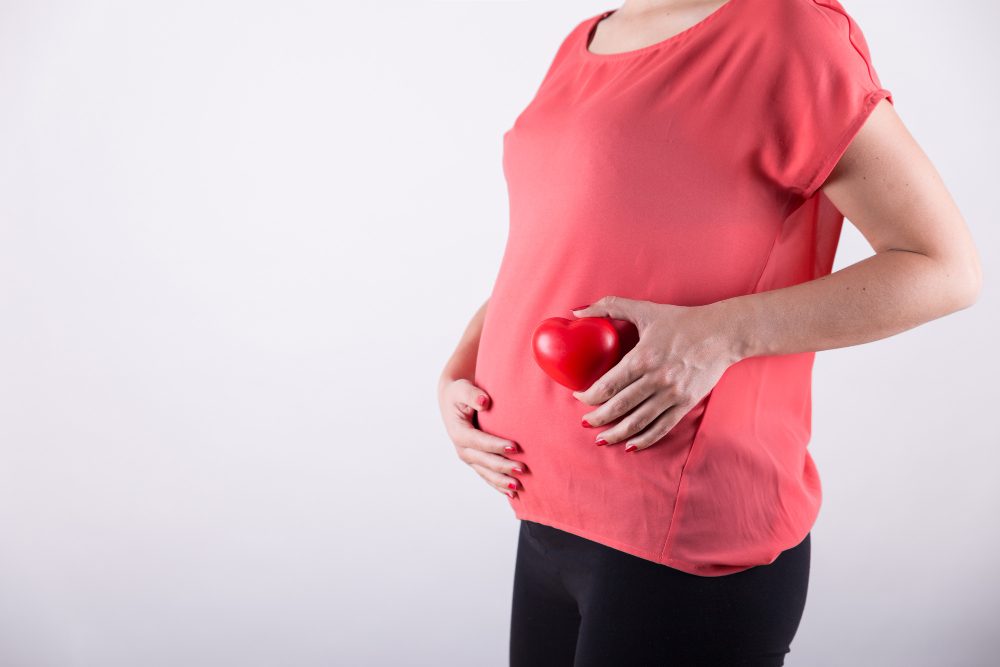
Until a century ago, heart disease was considered to be a problem that primarily affected men. Today, we know that not only can cardiac conditions affect both sexes, but the increasing pressure placed on women, both in the home and in the workplace, make them as vulnerable to cardiac disorders as men. The way that heart conditions are treated is generally the same for both men and women, but there is one issue that affects only women and which needs specialized treatment and care. That issue is pregnancy.
How Pregnancy Affects the Heart
When a woman is pregnant, her heart works harder and the blood vessels are under greater strain. This is because an increase in the volume of blood is required by the fetus to grow. As a result, the heart has to pump more blood. At the time of delivery, there may be sudden changes in blood flow and pressure, which add to the strain on the heart. The heart is a strong organ and is capable of coping with these changing demands. After delivery, the stress on the heart gradually reduces and the organ returns to its normal functioning pace and rhythm. However, if the mother is suffering from any form of heart disease, the risks posed by the added stress of pregnancy on the heart do affect both, the mother and the baby.
The Common Cardiac Problems That Affect Pregnant Women
- Heart Rhythm Issues: Known as arrhythmia, the condition causes the heart to beat irregularly. Besides the stress on the heart, the condition can result in the formation of blood clots, which could cause other heart problems or stroke.
- Heart Valve Issues: The heart has 4 valves that control the flow of blood. Any damage or defect to one or more of these valves can result in insufficient blood flow or other problems. This becomes an increased risk during pregnancy when the demands on the heart increase.
- Congestive Heart Failure: In this condition, the heart is unable to pump blood through the body at the required volume and pressure. The increased demands placed on the heart during pregnancy can increase the risk of heart failure.
- Congenital Heart Defects: If a woman is born with a heart problem, not only does the risk of pregnancy-related cardiac issues increase, but so does the risk of the baby too having a heart defect.
Is Pregnancy Safe If Cardiac Disorders Exist?
In some cases, a doctor may advise a woman to avoid becoming pregnant if the risk to her and the unborn child is too great. In other cases, major treatment, such as heart surgery, may be recommended before a woman becomes pregnant.
Heart medications may be prescribed for a woman with cardiac health issues who is pregnant or is planning to conceive. This medication should be supervised by cardiac and OB/GYN specialists, as such a course of action has both benefits and risks.
If you have cardiac problems and are planning your pregnancy, consult both your OB/GYN and a cardiologist before becoming pregnant. A planned course of action that will protect the health of both the mother and the child will be devised to keep risks to a minimum.
If Cardiac Problems Are Discovered After Conception
If a woman has been having regular health checkups, the risk of an undiagnosed cardiac disorder existing is significantly lower than if no checkups were done. However, even with regular checkups, some heart conditions may become noticeable only after pregnancy. In such cases, there is no need to panic. With proper care and the right precautions and treatment, a successful delivery that will leave both the mother and the child healthy is completely possible.
Your doctors will give you detailed instructions on caring for yourself and your unborn child. Follow these instructions and immediately inform your doctors if you observe any changes in your health status. Given below are some important tips which will help with a healthy pregnancy.
- Keep all your doctors’ appointments.
- Take all the medicines prescribed.
- Control your weight gain and inform your doctor if it is too much or too little.
- Get plenty of rest.
- Increased levels of stress are normal when cardiac complications affect pregnancy. Use meditation or other relaxation techniques to control stress.
- Be fully aware of all the activities that are off-limits, such as smoking, alcohol or recreational drug use, etc. Any slip-up here can have serious consequences.
What has been said here should not be taken as a warning that women with cardiac problems should not become pregnant. While heart issues do pose a risk, with the right diagnosis, care and treatment, a woman can go through a comfortable and safe pregnancy and deliver a healthy child. The key is having access to the best healthcare. For this, a reputed multispecialty hospital with world-class medical facilities is the best choice. A hospital like New Medical Centre in Pondicherry is known for its high medical standards, leading specialists in all medical disciplines and state-of-the-art diagnosis, treatment and recovery technology and services. For example, not only will you find the best Obstetrics and Gynaecology Department, staffed with the leading specialists, but there is also a cutting-edge Cardiology Department with the best cardiologists to provide any specialized care and support the mother and child may need. And, in case there are any other complications, the many specialized departments of the hospital will be able to provide immediate medical support, as and when required.
Childbirth is a natural process, but under some circumstances, there can be complications. Having access to the medical services that can provide the required additional specialized care and treatment will make all the difference.
How to increase the chances of normal delivery in pregnant women?
Frequently Asked Questions About Pregnancy and Heart Disease
- How does pregnancy affect the heart?
During pregnancy, a woman’s blood volume increases to support the growing fetus. This causes the heart to work harder and pump more blood, placing additional strain on the heart and blood vessels, especially during delivery. - Can heart disease become worse during pregnancy?
Yes. Pregnancy can increase the strain on the heart, which may worsen existing heart conditions or cause previously mild conditions to become more noticeable. - What heart problems are commonly seen during pregnancy?
Common cardiac issues during pregnancy include heart rhythm disorders (arrhythmias), heart valve problems, congestive heart failure, and congenital heart defects. - Is pregnancy safe for women with heart disease?
In many cases, pregnancy can be safe with proper medical supervision. However, the level of risk depends on the type and severity of the heart condition. Some women may require treatment or surgery before conceiving. - Can heart disease affect the baby during pregnancy?
Yes. Certain heart conditions in the mother can affect the baby’s growth or increase the risk of congenital heart defects. Careful monitoring helps reduce these risks. - Should women with heart disease take medications during pregnancy?
Some heart medications may be necessary during pregnancy, but they must be carefully selected and monitored by both a cardiologist and an obstetrician to balance benefits and potential risks.