
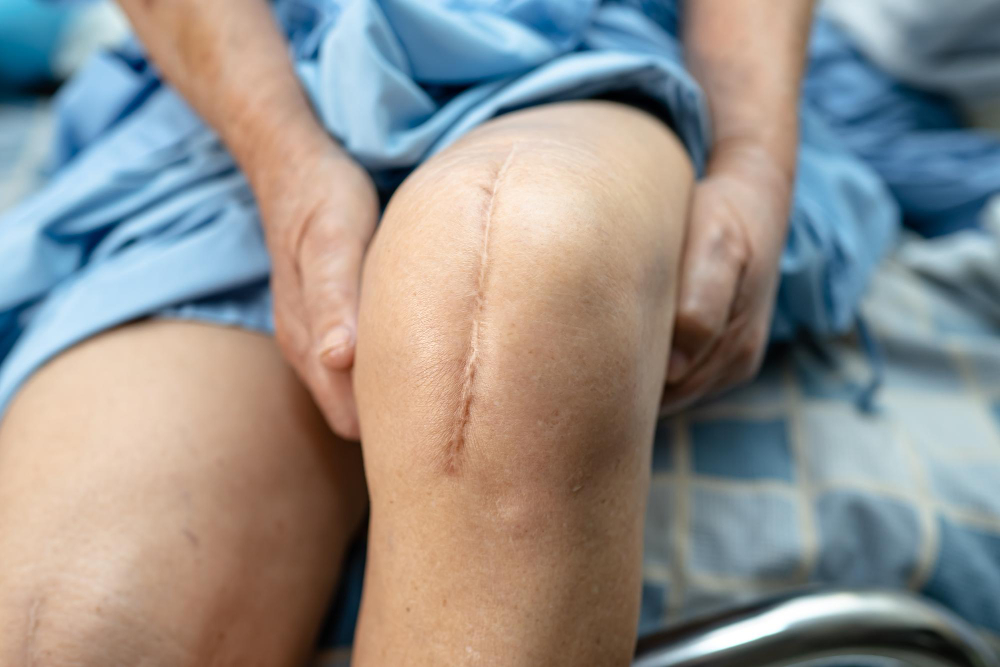
Surgical scars are a normal part of healing, but living with them can feel anything but simple. A surgical incision—whether from a planned procedure, an emergency operation, a minimally-invasive procedure (while the scarring is typically less in this case, it cannot be completely ruled out), or a cosmetic treatment—sets off a long and complex repair process inside the skin. Over the next 12–18 months, the body rebuilds collagen, remodels tissue, and gradually matures the scar. While no treatment can erase a scar completely, many approaches can make it smoother, softer, lighter, and far less noticeable.
Understanding Surgical Scars: Why They Form and How They Change
Every time the skin is cut, the body responds with a highly coordinated healing process. First comes inflammation, then collagen production, and finally long-term remodeling. This final stage can last more than a year, which is why scars often look their worst early on and improve slowly over time. A surgical scar’s appearance depends on several factors: the incision technique, genetics, skin tone, wound care, and even the location on the body. Some scars remain flat and faint, while others become raised, tight, or sunken. Understanding the type of scar you have is the first step toward choosing the right treatment.
Common Types of Surgical Scars
Different scars behave differently, and each type responds best to specific treatments.
At-Home Care
While professional treatments can make a big difference, good home care is essential. Consistency over months—not days—gives the best results.
Professional Treatments That Improve Surgical Scars
When at-home care isn’t enough—or when a scar is raised, tight, or highly visible—professional treatments can offer a more dramatic improvement. A dermatologist or plastic surgeon can recommend the right combination based on your scar type.
Laser treatments often require multiple sessions but can significantly improve both appearance and feel.
These procedures can dramatically improve appearance and function, especially when combined with post-surgical care like silicone therapy or laser treatments.
Setting Realistic Expectations
Scar improvement is a journey, not a quick fix. Even with the best treatments, scars rarely disappear completely. The goal is to make them less noticeable—flatter, softer, lighter, and more flexible. Most people see the best results when they combine consistent home care with targeted professional treatments. Healing also varies from person to person. Genetics, skin tone, age, and overall health all influence how a scar matures. Patience and persistence are key.
Surgical scars are a natural part of healing, but they don’t have to define your appearance or comfort. Your doctor or surgeon will be able to tell you what kind and amount of scarring you can expect, how the scar will appear over time and the various home treatments you can use. Whether it is a planned procedure, an emergency treatment or accident-related injury, being treated at New Medical Centre provides patients with access to the best doctors and surgeons and the most advanced and specialized treatment facilities. The hospital’s policy of total patient care means that along with all other aspects of recovery, scar care is also prioritized. In case surgical solutions are deemed necessary or if a patient chooses that option, then the various surgical solutions available, including specialized cosmetic treatments and procedures, will ensure that patients have access to the scar treatments they need at a world-class hospital.
Cosmetic and skin conditions – All you need to know
FAQs on Surgical Scar Treatment and Care
- Can surgical scars disappear completely?
No. Surgical scars cannot be completely erased, but they can often be made flatter, softer, lighter, and less noticeable with proper treatment and care.
- How long does a surgical scar take to heal?
Scar healing is a gradual process that can continue for 12–18 months after surgery. During this period, collagen remodeling and tissue repair continue beneath the skin.
- Why do some surgical scars become raised?
Raised scars form when the body produces excess collagen during healing. These are called hypertrophic scars or keloids, depending on how they grow.
- What is the difference between hypertrophic scars and keloids?
Hypertrophic scars stay within the boundaries of the original incision, while keloids grow beyond the wound edges and form thicker scar tissue.
- Are some people more likely to develop keloids?
Yes. Keloids are more common in individuals with darker skin tones and in people who are genetically prone to excessive scar tissue formation.
- What are atrophic scars?
Atrophic scars are sunken or pitted scars caused by collagen loss during healing. They may occur after surgery, acne, or infections.