
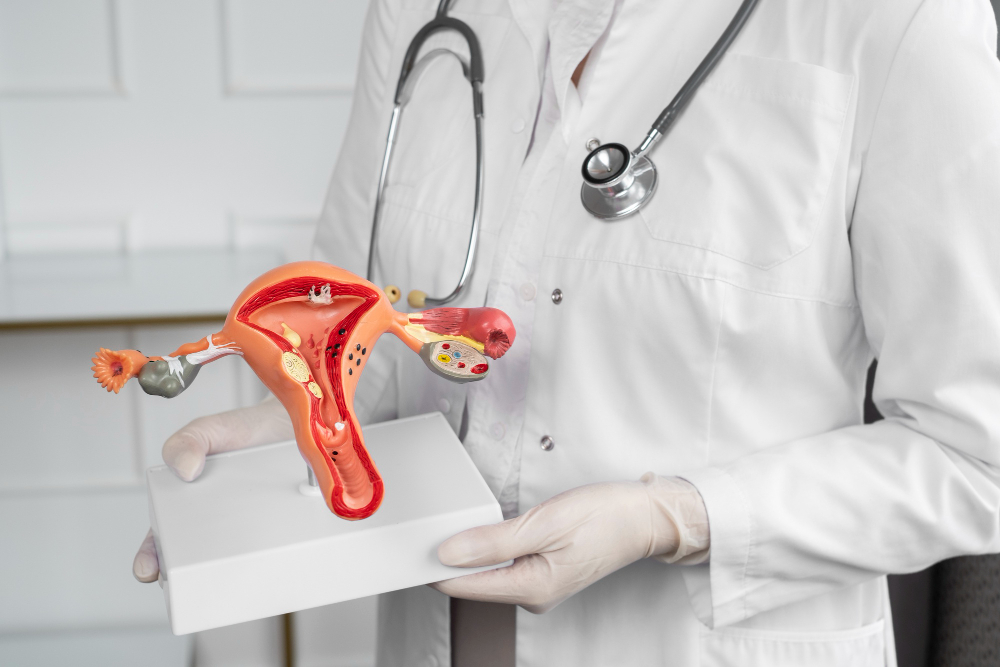
PMOS is a term that may be used to describe a combination of hormonal, metabolic, and ovarian health concerns. Because the endocrine system, metabolism, and reproductive organs are closely connected, changes in one area can sometimes affect another. The condition was previously called polycystic ovary syndrome (PCOS). The new nomenclature is used today as it more accurately describes the condition.
Understanding how hormones, metabolism, and ovarian function interact can provide useful insights into symptoms such as irregular periods, changes in weight, acne, excessive facial or body hair, or fertility difficulties, and when consulting a medical professional is required.
What Is Polyendocrine Metabolic Ovarian Syndrome?
The endocrine system consists of organs and glands that produce hormones. These chemical messengers help regulate many important functions, including reproduction, blood sugar, metabolism, growth, sleep, and energy. The ovaries are part of this hormonal network. They produce reproductive hormones and play a central role in ovulation and menstrual cycles.
The word “metabolic” refers to the processes the body uses to convert food into energy and regulate substances such as glucose and fats. When metabolic health is disrupted, it can sometimes influence hormone activity. The term polyendocrine metabolic ovarian syndrome therefore points toward the relationship between several systems rather than a problem involving the ovaries alone.
What Is the Connection Between Hormones and Metabolism?
Hormones and metabolism are closely connected. Insulin provides a good example. This hormone helps glucose move from the bloodstream into cells so that the body can use it for energy. When cells become less responsive to insulin, the body may compensate by producing more insulin. This condition, known as insulin resistance, can be associated with metabolic health problems and may also influence reproductive hormone pathways in some people.
Because ovarian function is affected by hormonal signals, changes in metabolic health may sometimes be accompanied by menstrual or reproductive symptoms. This does not mean that every person with insulin resistance will develop an ovarian disorder, nor does it mean that every person with irregular periods has a metabolic condition. Instead, it highlights why healthcare professionals may evaluate reproductive and metabolic health together.
Common PMOS Symptoms
Symptoms associated with hormonal and metabolic ovarian disorders can vary widely.
Possible symptoms may include:
These symptoms are not specific to PMOS. For example, irregular periods can have numerous causes, including pregnancy, thyroid problems, major changes in weight, excessive exercise, stress, medications, and other reproductive conditions. Likewise, acne and unwanted hair growth can occur for several reasons.
For this reason, symptoms should be viewed as signals that may warrant medical evaluation rather than proof of a particular diagnosis. Suspected PMOS requires expert medical diagnosis; self-diagnosis is particularly dangerous as it could lead to delays in treatment or inappropriate treatment that may exacerbate the underlying medical problem.
How Is a Hormonal and Metabolic Ovarian Problem Diagnosed?
There is no single test that can diagnose every condition involving hormonal, metabolic, and ovarian health. The evaluation usually begins with a discussion of the person’s medical history and symptoms. A physical examination may also be performed.
Depending on the symptoms, blood tests may be used to evaluate areas such as blood glucose, cholesterol, thyroid function, and reproductive hormones. An ultrasound may sometimes be recommended to examine the ovaries. However, an ultrasound finding alone does not necessarily establish PMOS or another ovarian syndrome.
The goal is to consider the complete picture rather than rely on a single symptom or test.
Why Metabolic Health Should Not Be Ignored
When hormonal or ovarian symptoms occur alongside metabolic concerns, it is important to consider overall health. Insulin resistance, elevated blood glucose, abnormal cholesterol levels, and high blood pressure can all have implications on long-term health. For this reason, people being evaluated for reproductive or hormonal problems may also benefit from having appropriate metabolic measurements checked.
Healthy lifestyle habits can support both metabolic and hormonal well-being. However, lifestyle changes should complement, not replace, professional medical care when a health condition is present.
Lifestyle Changes That Support Hormonal and Metabolic Health
Healthy daily habits can be useful for people managing metabolic or hormonal concerns. A balanced diet containing vegetables, fruits, whole grains, legumes, lean proteins, nuts, seeds, and healthy fats can provide a wide range of nutrients while supporting overall metabolic health.
Regular physical activity is also important. Activities such as walking, swimming, cycling, dancing, and strength training can help improve fitness and support the body’s response to insulin.
Sleep should not be overlooked. Poor or inconsistent sleep can affect energy, appetite, and several hormonal processes.
For individuals who need to manage their weight, a healthcare professional or registered dietitian can help develop realistic and sustainable goals. Weight should not, however, be used as the only measure of hormonal or metabolic health.
Treatment for PMOS-Related Symptoms
Because the treatment for PMOS may vary depending on related lifestyle or medical issues, there is no standardized diagnosis with one universal treatment protocol. Treatment depends on the underlying condition. For example, someone experiencing irregular periods may require a different approach from someone primarily dealing with insulin resistance or fertility concerns.
Depending on the diagnosis, treatment may involve lifestyle changes, medications, hormonal therapies, or management of an underlying endocrine disorder. People should avoid taking hormone products, supplements, or prescription medicines without appropriate medical advice. Hormonal systems are interconnected, and treatment needs to be tailored to the individual.
When Should You See a Doctor?
Persistent menstrual irregularities or other unexplained hormonal symptoms should not simply be ignored. Consider speaking with a healthcare professional if you experience ongoing irregular periods, unexplained weight changes, excessive facial or body hair, persistent acne, difficulty becoming pregnant, or other significant changes in reproductive health. Medical attention is particularly important when symptoms are sudden, severe, or substantially different from your usual pattern.
Understanding Your Hormonal and Metabolic Health
Understanding the relationship between ovarian function, hormones, and metabolism can be valuable when investigating unexplained symptoms. The most important step is to avoid self-diagnosis. The presenting symptoms may have several possible causes. A healthcare professional can evaluate the complete picture, recommend appropriate tests, identify an underlying condition when one is present, and develop a treatment plan suited to the individual’s needs.
Taking hormonal and metabolic symptoms seriously does not mean assuming the worst. It means paying attention to changes in your body and seeking appropriate information and medical guidance. With a clearer understanding of the underlying cause, people can make informed decisions about their reproductive, hormonal, and overall health.
Gynecological health is the foundation of women’s physical (and to a large extent mental) well-being. Whether it is PMOS or another condition that may be affecting wellness, getting the problem examined, diagnosed, and treated at a leading hospital with a world-class gynecology department is vital. The earlier a health issue is diagnosed and treated, the faster and more complete the recovery.
Frequently Asked Questions About Polyendocrine Metabolic Ovarian Syndrome (PMOS)
- What is Polyendocrine Metabolic Ovarian Syndrome (PMOS)?
PMOS is a term used to describe the interconnected hormonal, metabolic, and ovarian health concerns previously referred to as polycystic ovary syndrome (PCOS). It highlights the relationship between reproductive hormones, metabolism, and ovarian function.
- What are the common symptoms of PMOS?
Common symptoms may include irregular periods, changes in ovulation, difficulty becoming pregnant, acne, oily skin, excessive facial or body hair, weight changes, difficulty losing weight, tiredness, and changes in blood sugar regulation.
- What causes PMOS?
Hormonal and metabolic factors can influence ovarian function and reproductive health. Insulin resistance, for example, may affect hormone pathways involved in ovulation. However, symptoms can have several causes, so a healthcare professional should determine the underlying condition.
- How is PMOS diagnosed?
Diagnosis involves reviewing symptoms and medical history, along with a physical examination when appropriate. Depending on the symptoms, doctors may recommend blood tests to assess blood glucose, cholesterol, thyroid function, and reproductive hormones. An ultrasound may also be used when clinically indicated.
- Can an ultrasound alone diagnose PMOS?
No. An ultrasound finding alone does not necessarily establish PMOS or another ovarian syndrome. Doctors generally consider symptoms, medical history, examination findings, laboratory tests, and other relevant factors together.
- Is PMOS related to insulin resistance?
Insulin resistance can be associated with hormonal and reproductive changes in some people. When cells become less responsive to insulin, the body may produce more insulin, which can influence reproductive hormone pathways.