
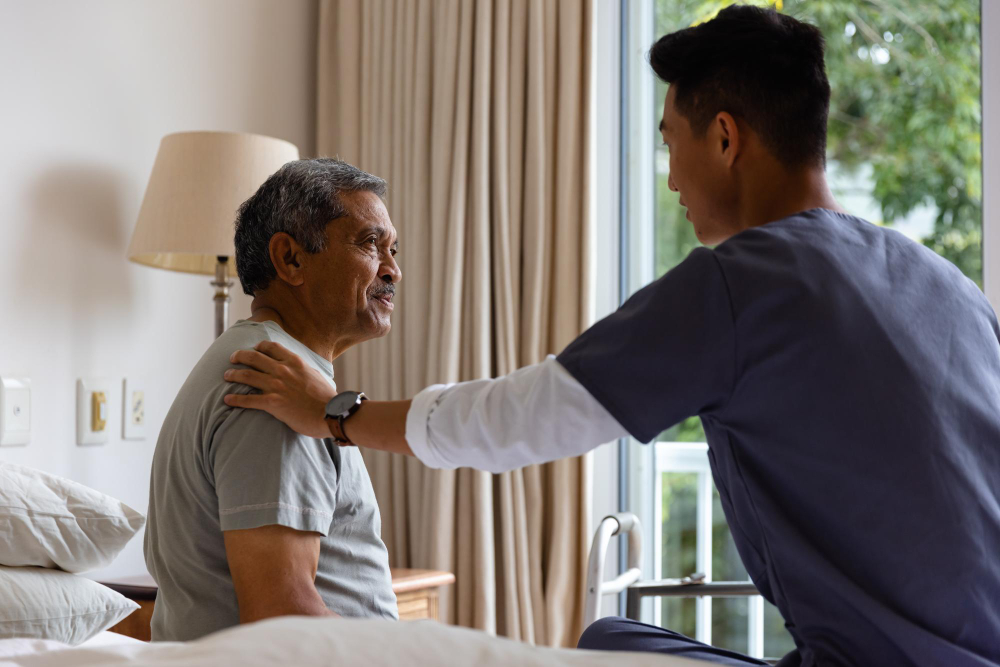
Caring for a loved one after open‑heart surgery is both an emotional and practical responsibility. While the surgery itself happens in a controlled hospital environment, the real healing begins at home. The first 4 to 8 weeks after discharge are critical, and the quality of home care can significantly influence recovery speed, comfort, and long‑term heart health. This guide walks you through the basics you need to know, from wound care and medication management to emotional support and lifestyle adjustments.
-
Understanding the Critical Recovery Window
The first month after open‑heart surgery is a critical period because patients are at higher risk of complications such as infection, medication errors, and falls. Structured support during this period can reduce hospital readmissions by up to 23%.
During this time, caregivers must focus on:
-
Setting up the Home for Recovery
Before the patient arrives home, prepare the space to ensure safety and comfort.
Create a Recovery Zone:
Essential Supplies
These include:
-
Medication Management: A Non‑Negotiable Priority
After open‑heart surgery, patients typically take:
These medications reduce the risk of complications such as blood clots, high blood pressure, and infection. Consistency is crucial—patients who adhere to medication schedules have significantly better long‑term outcomes.
Caregiver Tips
-
Protecting the Sternum
During surgery, the sternum is opened and wired back together. It takes 6–8 weeks to heal.
Precautions to Follow
These precautions prevent strain on the healing bone and reduce the risk of complications.
-
Wound Care and Hygiene
Proper wound care prevents infection—a major risk after surgery.
Daily Wound Care Routine
Watch for signs of infection such as redness, swelling, foul odor, or fever. If any appear, contact the healthcare provider immediately.
-
Monitoring Vital Signs and Symptoms
Daily monitoring helps catch complications early.
Track the Following
These signs help detect issues like infection, heart failure, or fluid buildup.
-
Supporting Physical Activity and Mobility
Movement is essential to prevent blood clots, improve lung function, and rebuild strength. The hospital will normally give exercise instructions before the patient is discharged.
These may include:
Patients typically begin walking longer distances by the third or fourth week, gradually increasing stamina.
Activities to avoid:
-
Nutrition for Heart Healing
A heart‑healthy diet supports tissue repair and reduces strain on the cardiovascular system.
What to Include:
What to Limit:
Small, frequent meals may help if appetite is poor—a common issue after surgery.
-
Emotional and Psychological Support
Mood swings, sadness, and anxiety are common after open‑heart surgery.
How Caregivers Can Help:
Social support plays a major role in recovery and long‑term heart health.
-
Warning Signs That Need Immediate Medical Attention
Call the doctor or emergency services if the patient experiences:
Recognizing these signs early can prevent serious complications.
These are only general guidelines. The doctor/surgeon/hospital will provide the patients and caregivers with detailed post-operative care instructions. If any advice given here conflicts with the patient’s specific care instructions, the prescribed care is what should be followed.
A multispecialty hospital like New Medical Center, known for its world-class specialized medical departments, including cardiology, is where patients will receive the best possible treatment and care provided by highly qualified and experienced doctors and surgeons, who have access to state-of-the-art medical technology and equipment and a dedicated support staff.
Caring for a heart patient after open‑heart surgery requires patience, organization, and compassion. By focusing on wound care, medication management, mobility, emotional support, and lifestyle changes, you can help your loved one recover safely and confidently.
Home Care After Open-Heart Surgery: FAQs for Caregivers
- How long does recovery take after open-heart surgery?
Recovery usually takes about 6 to 8 weeks for the breastbone (sternum) to heal, although complete recovery may take several months depending on the patient’s age, overall health, and type of surgery performed.
- What are the most important things to monitor at home after surgery?
Caregivers should monitor:
Early detection of complications can prevent emergency hospital visits.
- When should a patient contact the doctor after open-heart surgery?
Medical attention is needed if the patient experiences:
- How should the surgical wound be cared for?
The incision should be kept clean and dry. Hands must be washed before touching the wound, and dressings should be changed exactly as instructed by the healthcare team. Powders, creams, or lotions should not be applied unless prescribed.
- Why are sternum precautions important after surgery?
During open-heart surgery, the sternum is separated and wired back together. Following precautions such as avoiding heavy lifting, pushing, or pulling helps the bone heal properly and reduces the risk of complications.
- Can heart patients climb stairs after surgery?
Most patients can climb stairs slowly and carefully if approved by their doctor. However, they should avoid overexertion and take breaks when needed.