
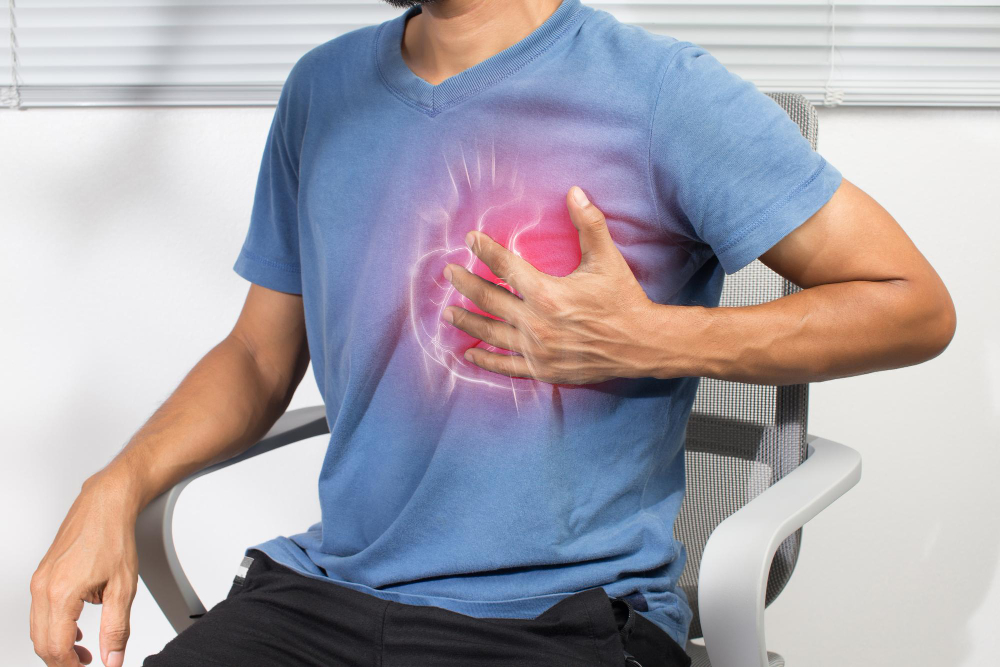
Imagine driving down a highway and a bright red warning light suddenly flashes on your dashboard. It doesn’t mean your engine has completely exploded, but it is a definitive, urgent signal from your car that something under the hood needs immediate attention.
In the world of human health, angina is that dashboard warning light.
Often mistaken for a disease in itself, angina (pronounced an-JI-nuh or AN-juh-nuh) is actually a symptom of an underlying heart condition. It is your heart muscle’s way of crying out for help when it isn’t getting enough oxygen-rich blood to do its job. Because it can feel incredibly similar to a heart attack, experiencing angina can be a terrifying wake-up call. Understanding what angina is, why it happens, and how to manage it can be life-saving.
What Exactly Is Angina?
At its core, angina is chest pain or discomfort that occurs when a portion of your heart muscle experiences a temporary shortage of oxygen. The medical term for this restricted blood flow is ischemia.
To understand why this happens, it helps to look at how the heart functions:
Once you rest or take medication to lower the heart’s workload, the balance between oxygen supply and demand is restored, and the pain fades away.
What Does Angina Feel Like?
The classic description of angina is pain in the center of the chest, but the reality is that angina can manifest in many different ways. It is frequently described not as “sharp” pain, but rather as an uncomfortable sensation. Common descriptions of angina include:
The Radiating Effect
The discomfort of angina doesn’t always stay confined to the chest. Because of the way our nervous system transmits pain signals from internal organs, the sensation can radiate outward. People frequently feel angina in their:
Gender Differences
It is crucial to recognize that women often experience angina differently from men. While men are more likely to report classic chest pressure, women frequently experience “atypical” symptoms. They may feel a burning sensation, sharp pain, or primary symptoms of breathlessness, nausea, throat tightness, or profound fatigue without prominent chest pain. Because of this, women’s cardiovascular symptoms are unfortunately more likely to be misidentified or dismissed.
The Different Types of Anginas
Angina is generally categorized into several types based on what triggers it and how predictably it behaves.
-
Stable Angina (Angina Pectoris)
This is the most common form of angina. It is highly predictable and follows a recognizable pattern.
-
Unstable Angina
This is a medical emergency. Unstable angina does not follow a pattern and represents a severe, sudden worsening of your heart’s condition.
-
Variant (Prinzmetal) Angina
This type is rare and behaves differently from the others. Instead of being caused by a fixed buildup of plaque, it is caused by a sudden spasm in the coronary arteries that temporarily clamps the vessel shut.
-
Microvascular Angina
This type occurs due to spasms or abnormalities in the tiniest branching blood vessels of the heart, rather than the main coronary arteries. It is more commonly diagnosed in women and can cause pain that lasts longer than stable angina.
What Causes Angina?
The primary culprit behind most types of anginas is coronary artery disease (CAD). CAD is driven by a process called atherosclerosis, which is the gradual buildup of fatty deposits, cholesterol, and cellular waste (collectively known as plaque) on the inner walls of the arteries. Over decades, this plaque hardens and narrows the arteries, restricting the smooth flow of blood. Think of it like old plumbing pipes slowly getting clogged with mineral scale.
Several major risk factors accelerate this plaque buildup and increase your chances of developing angina:
Angina vs. Heart Attack: What’s the Difference?
Because the symptoms overlap so heavily, it can be incredibly difficult to tell the difference between a severe episode of angina and a heart attack. However, the biological difference is stark:
The Golden Rule: If you experience new, unexplained chest pain, or if your known stable angina lasts longer than usual and isn’t relieved by rest or medication, treat it as a heart attack. Call emergency services immediately. Never attempt to drive yourself to the hospital.
How Is Angina Diagnosed and Managed?
If you talk to a doctor about chest discomfort, they will typically run a few tests to evaluate your heart health. These may include an electrocardiogram (ECG/EKG) to check your heart’s electrical activity, a stress test to observe how your heart behaves under physical exertion, and in some cases, a coronary angiogram, which uses X-rays and a special dye to look directly inside your blood vessels. Once diagnosed, managing angina focuses on two goals: reducing the frequency of symptoms and lowering the risk of a future heart attack.
-
Lifestyle Modifications
This is the foundation of heart health. Making deliberate choices can halt or partially reverse plaque accumulation.
-
Medications
Doctors rely on a variety of drugs to help balance the heart’s oxygen levels:
-
Medical Procedures
In cases where blockages are severe, procedural intervention may be necessary:
Pay Attention to the Warning Sign
Angina is an unsettling experience, but it is ultimately a valuable gift of time. It is your body handing you an early warning notice while there is still an opportunity to take decisive action.
By treating angina with the seriousness it deserves, working closely with medical professionals, taking prescribed therapies, and embracing a heart-healthy lifestyle, you can effectively protect your heart muscle, dramatically lower your risk of a future cardiac event, and live a vibrant, active life for years to come.
Angina is just one of the many cardiac ailments that are becoming increasingly common in the modern world. Regular health checkups that include checking for heart issues so that early treatment can begin is the foundation of cardiac wellness. If angina or other cardiac problems do develop, being treated at a leading multispecialty hospital with a state-of-the-art cardiology department that has the best cardiologists is the best option for effective treatment and recovery. A multispecialty hospital is important because if angina or other cardiac ailments are affecting different parts of the body, other skilled specialists will also be available at the same place to care for you.
Frequently Asked Questions About Angina
- What is angina?
Angina is chest pain or discomfort that occurs when the heart muscle does not receive enough oxygen-rich blood. It is a symptom of an underlying heart condition, most commonly coronary artery disease.
- What are the common symptoms of angina?
Angina commonly causes chest pressure, tightness, heaviness, or squeezing. It may also be accompanied by shortness of breath, fatigue, nausea, dizziness, sweating, or pain that radiates to the arms, neck, jaw, back, or shoulders.
- What causes angina?
Angina is usually caused by reduced blood flow to the heart due to narrowed or blocked coronary arteries. Risk factors include high blood pressure, high cholesterol, diabetes, smoking, obesity, physical inactivity, increasing age, and a family history of heart disease.
- What are the different types of angina?
The main types include stable angina, unstable angina, variant (Prinzmetal) angina, and microvascular angina. Each type differs in its cause, symptoms, and triggers.
- What is the difference between stable and unstable angina?
Stable angina occurs predictably during physical activity or emotional stress and usually improves with rest or medication. Unstable angina can occur even at rest, lasts longer, and requires immediate medical attention because it may signal an impending heart attack.
- How is angina different from a heart attack?
Angina is caused by a temporary reduction in blood flow to the heart and does not permanently damage the heart muscle. A heart attack occurs when blood flow is severely reduced or completely blocked, causing permanent damage to the heart muscle.
- When should I seek emergency medical care for angina?
Seek immediate medical attention if chest pain is severe, occurs at rest, lasts longer than a few minutes, does not improve with rest or prescribed medication, or is accompanied by symptoms such as difficulty breathing, fainting, or excessive sweating.